Filter
Showing 1–12 of 16 results
Why Lithium Batteries Dominate Solar in Coastal Kenya
| Advantage | Lead-Acid (AGM/Gel) | Lithium (LiFePO₄) | Coastal Kenya Benefit |
|---|---|---|---|
| Cycle life (daily use) | 500–1,800 cycles | 4,000–8,000+ cycles | 8–15+ years instead of 2–5 years |
| Depth of Discharge (usable %) | 50–70% recommended | 80–95% usable | 2–3× more energy from same Ah |
| Efficiency (charge/discharge) | 75–85% | 95–98% | Less solar energy wasted |
| Charge speed | Slow (C/5 to C/10) | Fast (C/2 to 1C) | Full charge in 2–4 hours vs 8–12 hours |
| Weight & space | Heavy & bulky | 50–70% lighter, smaller footprint | Easier install on walls/roofs |
| Temperature tolerance | Suffers above 35°C | Excellent up to 55–60°C | No derating in Kilifi/Malindi heat |
| Maintenance | Regular checks, venting, equalization | None (maintenance-free) | No acid spills or corrosion issues |
| Safety | Risk of acid leaks, gassing | Very safe (no thermal runaway) | Safer in humid, enclosed spaces |
| Salt/humidity resistance | Prone to corrosion | Much better (especially wall-mount models) | Longer life near the ocean |
LiFePO₄ (Lithium Iron Phosphate) is the only lithium chemistry you should consider for solar in Kenya. Avoid NMC/NCA types used in electric vehicles — they are less safe and have shorter cycle life in stationary solar use.
-
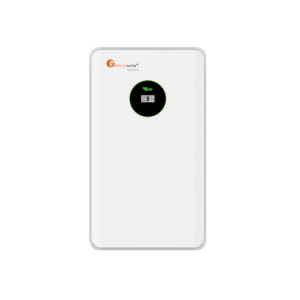
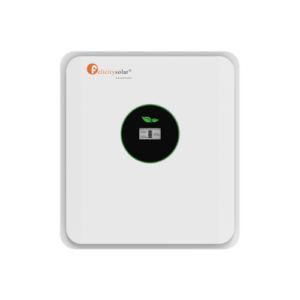
10kWh 48V 200Ah Felicity Solar LiFePO4 Power Battery – FLA48200
Original price was: KSh 210,000.00.KSh 181,725.00Current price is: KSh 181,725.00. -
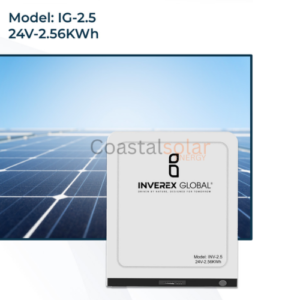
24V-2.56KWh Inverex lithium iron phosphate battery
Original price was: KSh 99,000.00.KSh 65,999.00Current price is: KSh 65,999.00. -
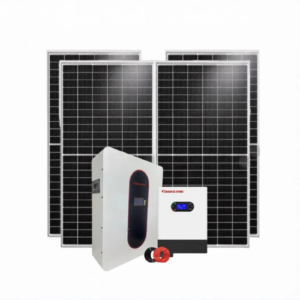
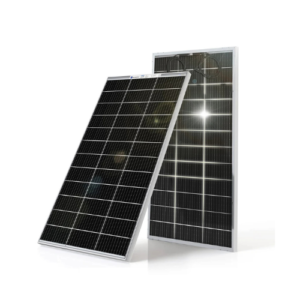
3.5kW Seven Stars Lithium Solar System 24V | Complete Home Package
Original price was: KSh 380,000.00.KSh 280,795.00Current price is: KSh 280,795.00. -
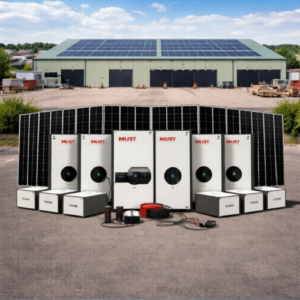
48kW Must Solar System Kenya
Original price was: KSh 2,500,699.00.KSh 2,103,699.00Current price is: KSh 2,103,699.00. -
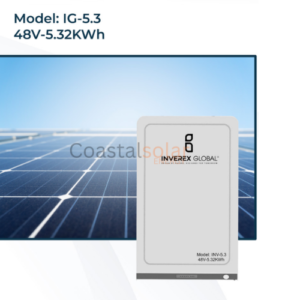
48V 5.32kWh Lithium Iron Phosphate (LiFePO₄) Battery-Inverex
Original price was: KSh 180,000.00.KSh 112,899.00Current price is: KSh 112,899.00. -
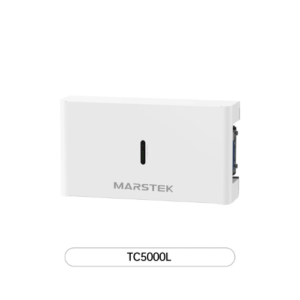
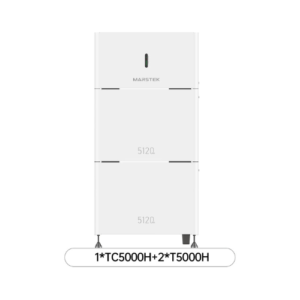
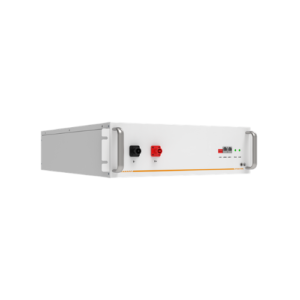
5.12kWh (5120Wh) Lithium Iron Phosphate Battery Marstek USA
Original price was: KSh 201,365.00.KSh 165,995.00Current price is: KSh 165,995.00. -
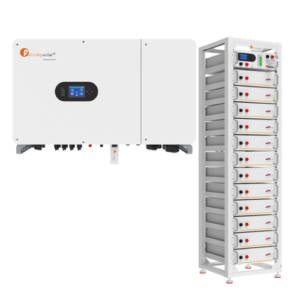
50kW Felicity High-Voltage Solar System IVGM50KHP3G1 Three-Phase | Engineered Commercial Package
Original price was: KSh 2,108,202.00.KSh 1,925,000.00Current price is: KSh 1,925,000.00. -
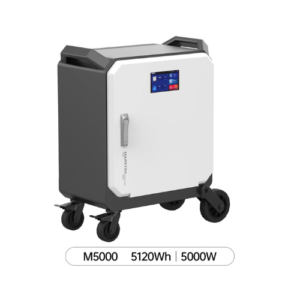
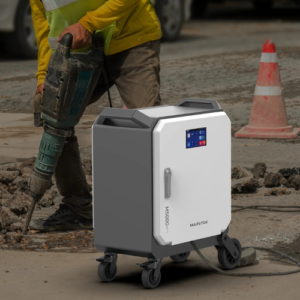
5kW (5000W) Marstek USA Solar Generator Power Station M5000
Original price was: KSh 425,889.00.KSh 362,400.00Current price is: KSh 362,400.00. -
60kW MUST Industrial Solar Power System 48V
Original price was: KSh 4,000,000.00.KSh 3,350,299.00Current price is: KSh 3,350,299.00. -
72kW MAX MUST Industrial Solar Power System 48V | Engineered Coastal Solution
Original price was: KSh 4,500,000.00.KSh 4,300,000.00Current price is: KSh 4,300,000.00. -
Felicity 15kWh 48V 300Ah LiFePO₄ Battery 48V 300Ah LiFePO₄ Battery FLA48300TG2
Original price was: KSh 305,000.00.KSh 234,999.00Current price is: KSh 234,999.00. -
Felicity 24V 100Ah 2.56kWh FLA24100 LiFePO4 Battery – Sodium Reliable Solar Energy Storage
Original price was: KSh 75,000.00.KSh 67,999.00Current price is: KSh 67,999.00.